Sustainable Solutions: How E-Waste Recycling Services Are Saving Our Planet
Electronic waste presents serious dangers to the environment, as abandoned electronic devices commonly carry harmful materials. These toxic materials have the potential to taint soil and water sources, causing extensive damage to surrounding ecosystems. Electronic waste recycling programs offer an effective remedy. They serve the dual purpose of reclaiming precious materials and reducing contamination. Comprehending the operation of these services and their influence on communities is of great importance. The path to successful electronic waste management prompts vital discussions about personal accountability and communal efforts. What measures can be pursued from this point onward?
How E-Waste Is Hurting the Planet
Even though technology enhances our daily lives, electronic waste presents serious threats to the environment. Abandoned electronic gadgets, frequently composed of toxic substances including mercury, lead, and cadmium, may release harmful substances into groundwater and soil, presenting dangers to human health and ecosystems. The accelerating rate of technological innovation leads to greater consumer replacement of electronic devices, exacerbating the accumulation of e-waste.
Landfills, already strained by waste, are unable to keep up with the rising quantities of abandoned electronics. Burning, an alternative disposal approach, discharges toxic contaminants into the air, worsening overall air quality. Moreover, poor recycling procedures can cause e-waste to be sent to developing regions, where employees may disassemble electronics without sufficient safety precautions, leaving them vulnerable to harmful substances. This ongoing cycle of carelessness and inadequate management emphasizes the pressing necessity for responsible recycling initiatives that can lessen the harmful consequences of e-waste on our world.
What Is E-Waste and Its Importance?
E-waste, also referred to as electronic waste, comprises discarded electronic devices including televisions, computers, and smartphones that have reached the end of their useful life. This rapidly expanding waste category is noteworthy because of its swift buildup, fueled by innovation in technology and shifting consumer habits. With an increasing number of devices reaching obsolescence, the environmental impact intensifies, with harmful substances like lead, mercury, and cadmium presenting serious hazards to the environment and human well-being.
Addressing e-waste is crucial not only for reducing these dangers but also for acknowledging the precious materials found within it. Precious metals and rare earth elements can be recovered and reused, reducing the need for mining and conserving natural resources. With a thorough understanding of e-waste and its impact, people and organizations alike can make educated decisions about disposal and recycling, helping to build a more sustainable world. Effective handling of e-waste is vital for encouraging a circular economy and advancing environmental responsibility.
How the E-Waste Recycling Process Works
E-waste recycling entails a structured approach intended to extract beneficial components while reducing harm to the environment. At the outset, discarded electronics are retrieved and sent to dedicated processing centers. After reaching the facility, the equipment is meticulously organized to isolate dangerous parts from recoverable materials.
After this step, employees deconstruct the devices, recovering metals, plastics, and glass. This phase is essential, as it allows for the reclamation of valuable metals like copper, gold, and silver, which may be utilized in new electronic products.
Following this, the separated materials are refined with advanced techniques, such as shredding and chemical treatments, to purify them for repurposing.
Finally, the remaining hazardous waste is handled with responsibility, following eco-friendly standards. This multi-step approach not only conserves resources but also mitigates the risks connected to unsafe e-waste handling, ensuring a more sustainable future for electronic consumption.
How E-Waste Recycling Benefits You and Your Community
While many individuals may not realize it, the advantages of e-waste recycling reach well past personal use to meaningfully influence entire communities. By responsibly disposing of electronic waste, individuals contribute to a healthier environment, minimizing hazardous materials that can contaminate soil and water. This forward-thinking practice helps preserve local ecosystems and supports public health.
Furthermore, e-waste recycling promotes employment opportunities within local communities. Regional recycling centers frequently need staff for numerous tasks, spanning collection through processing, consequently creating meaningful employment for local residents. This not only enhances the community economy but also encourages community engagement in sustainable practices.
Furthermore, awareness of e-waste recycling can lead to community outreach programs, equipping residents to make environmentally conscious decisions. By engaging with e-waste recycling programs, individuals cultivate a culture of sustainability, motivating others to join the movement. In summary, the combined impact of these actions can create a more strong and environmentally aware community.
Tips for Choosing an E-Waste Recycling Service
Picking the right e-waste disposal service is crucial for guaranteeing that electronic waste is processed in a responsible and sustainable manner. To begin, consumers should check the service's credentials, such as e-Stewards or R2, which signify adherence to established benchmarks for secure waste disposal procedures. It's also important to examine the organization's standing by reviewing feedback and looking for referrals from reliable sources.
Furthermore, transparency in the recycling process is vital. A dependable company should offer detailed insights about how e-waste is processed and what happens to the materials. Additionally, assessing the variety of services available can be advantageous; certain providers may offer collection services or present rewards for recycling.
In addition, understanding local guidelines related to e-waste disposal can help inform the decision-making process. By taking these elements into account, residents can actively participate in responsible e-waste disposal while also advancing eco-friendly habits.
How You Can Get Involved in E-Waste Recycling?
Getting involved with e-waste recycling often starts at the local level, where community recycling hubs often provide essential services for safe disposal. Moreover, taking part in community awareness campaigns can amplify efforts to educate others about the importance of ethical e-waste practices. Such efforts not only advance environmental sustainability but also cultivate a collective sense of responsibility toward the environment.
Community Recycling Locations
A wide range of neighborhood recycling stations perform an important function in recycling electronic waste, giving communities practical solutions to manage electronic waste appropriately. These stations receive a range of electronic equipment, including outdated computers, mobile phones, and TVs, verifying that toxic materials are disposed of safely. Most stations have trained staff who support individuals in understanding proper disposal practices, underscoring the benefits of recycling compared to landfilling. In addition, many centers offer scheduled drop-off occasions Continue reading or specific collection dates, making participation convenient for residents. By taking advantage of these neighborhood resources, people help build a circular economy, minimizing ecological impact and fostering sustainable behaviors. Connecting with these stations empowers communities to take action against e-waste pollution effectively.
Community Outreach Campaigns
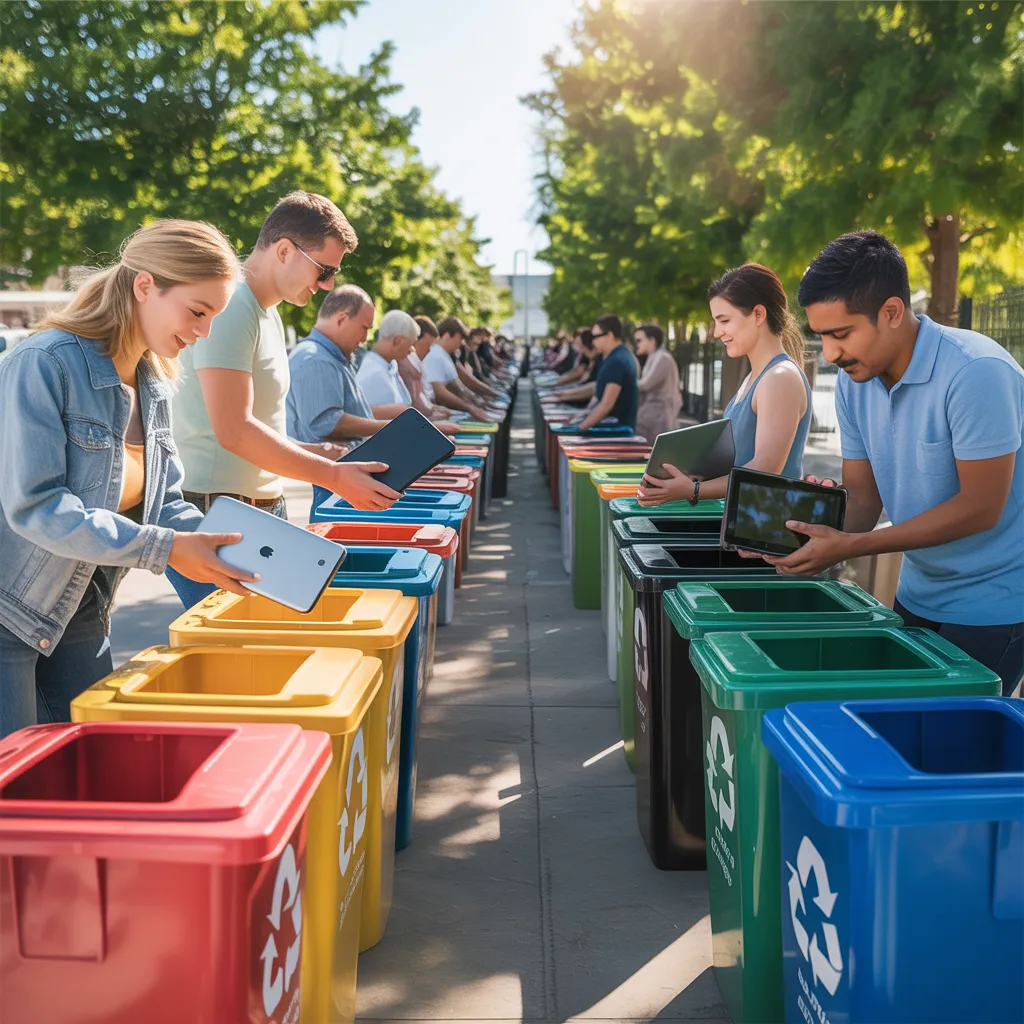
Community groups, educational institutions, and companies can partner to arrange initiatives that encourage e-waste collection drives. Community members can serve a critical function in raising awareness, sharing informational resources, and connecting with local residents. By means of these joint initiatives, residents become more informed and motivated to recycle their electronic waste, thereby helping to build a greener and more sustainable tomorrow.
Common Questions and Answers
Which Types of Electronics Are Recyclable?
Many different electronics are able to be recycled, including computers, smartphones, televisions, laptops, gaming consoles, and printers. Additionally, peripherals such as batteries, keyboards, and mice are well-suited for recycling, contributing to eco-friendly conservation initiatives.
Are There Fees Involved With E-Waste Recycling?
That's correct, e-waste disposal may involve charges, subject to the provider. Certain providers charge fees for gathering or treatment, while some providers make services available at no charge, often subsidized by the proceeds from salvaged materials.
What Are the Benefits of E-Waste Recycling for Businesses?
Businesses can benefit from e-waste recycling by reducing disposal costs, strengthening their ecological standing, complying with regulations, extracting valuable resources, and potentially generating revenue through resale, thus supporting a greener and more sustainable operational framework.
What Occurs with Data on Recycled Devices?
Details on repurposed devices is often permanently erased or destroyed during processing. This guarantees private details stays protected, preventing unauthorized access while allowing components to be repurposed safely and responsibly in new products.
Is It Possible to Recycle Damaged Electronics?
Indeed, broken electronics can be recycled. A wide range of facilities take in damaged devices, ensuring proper disposal and recovery of precious materials. Doing so helps lower harm to the environment while promoting sustainable recycling habits to address electronic waste properly.